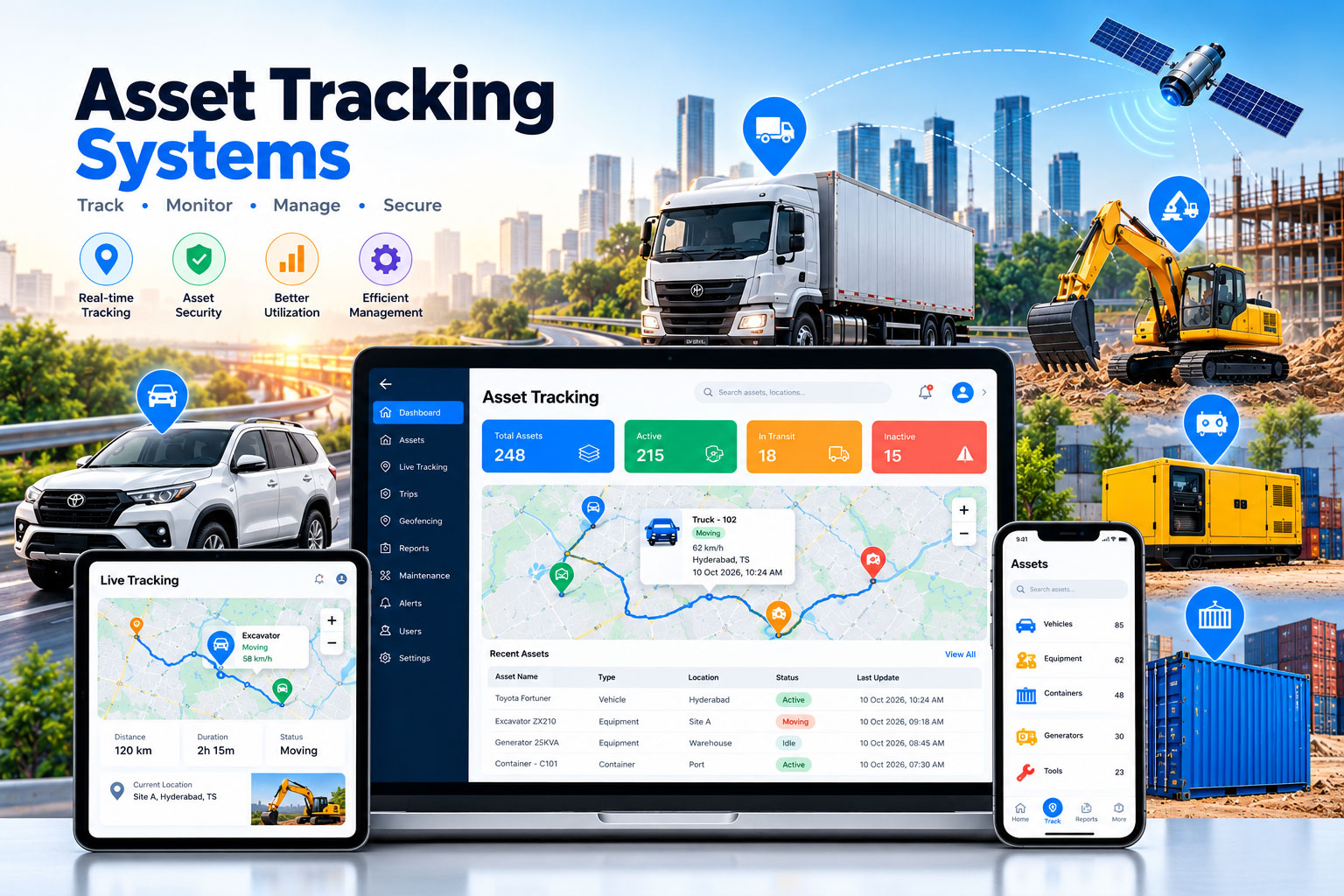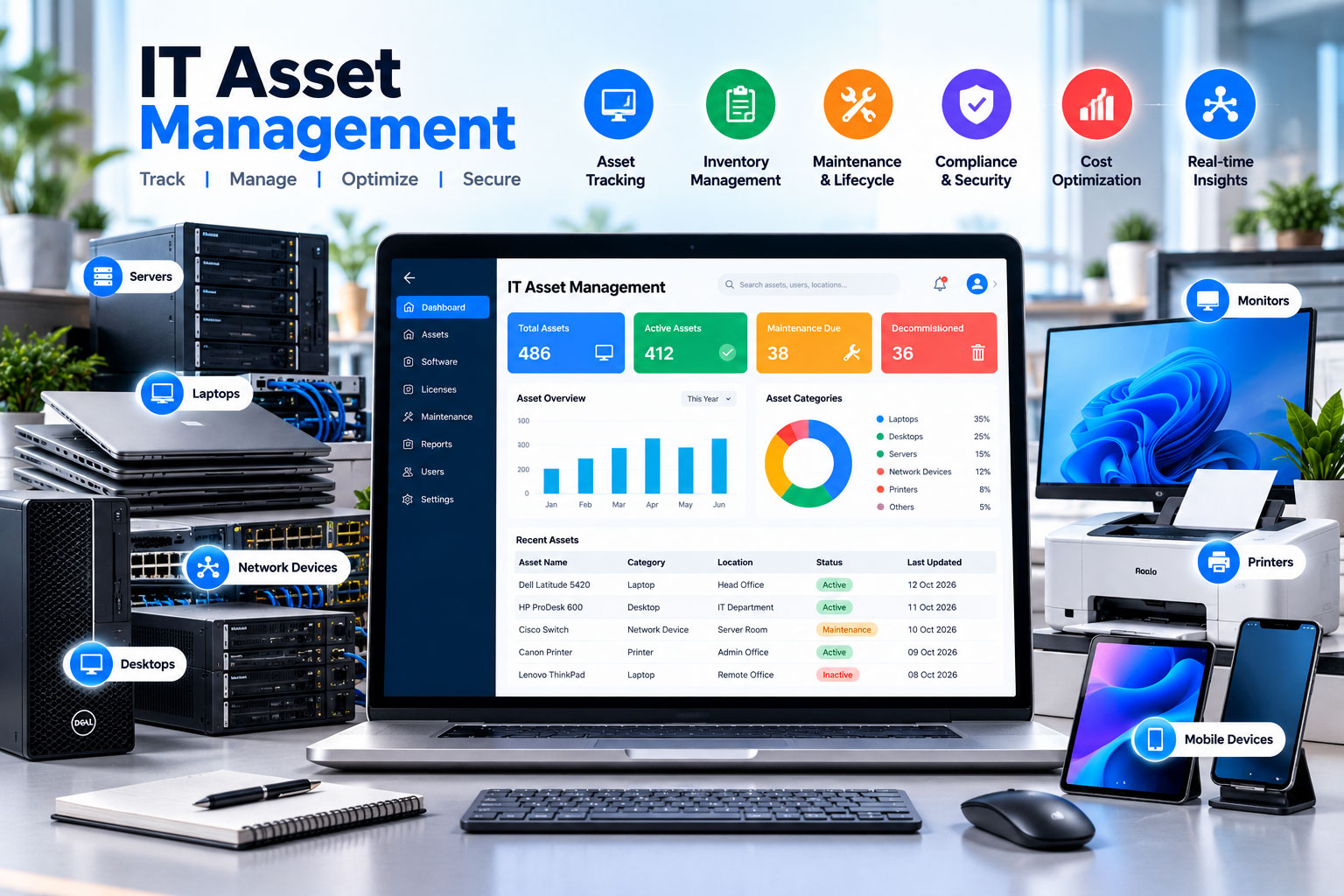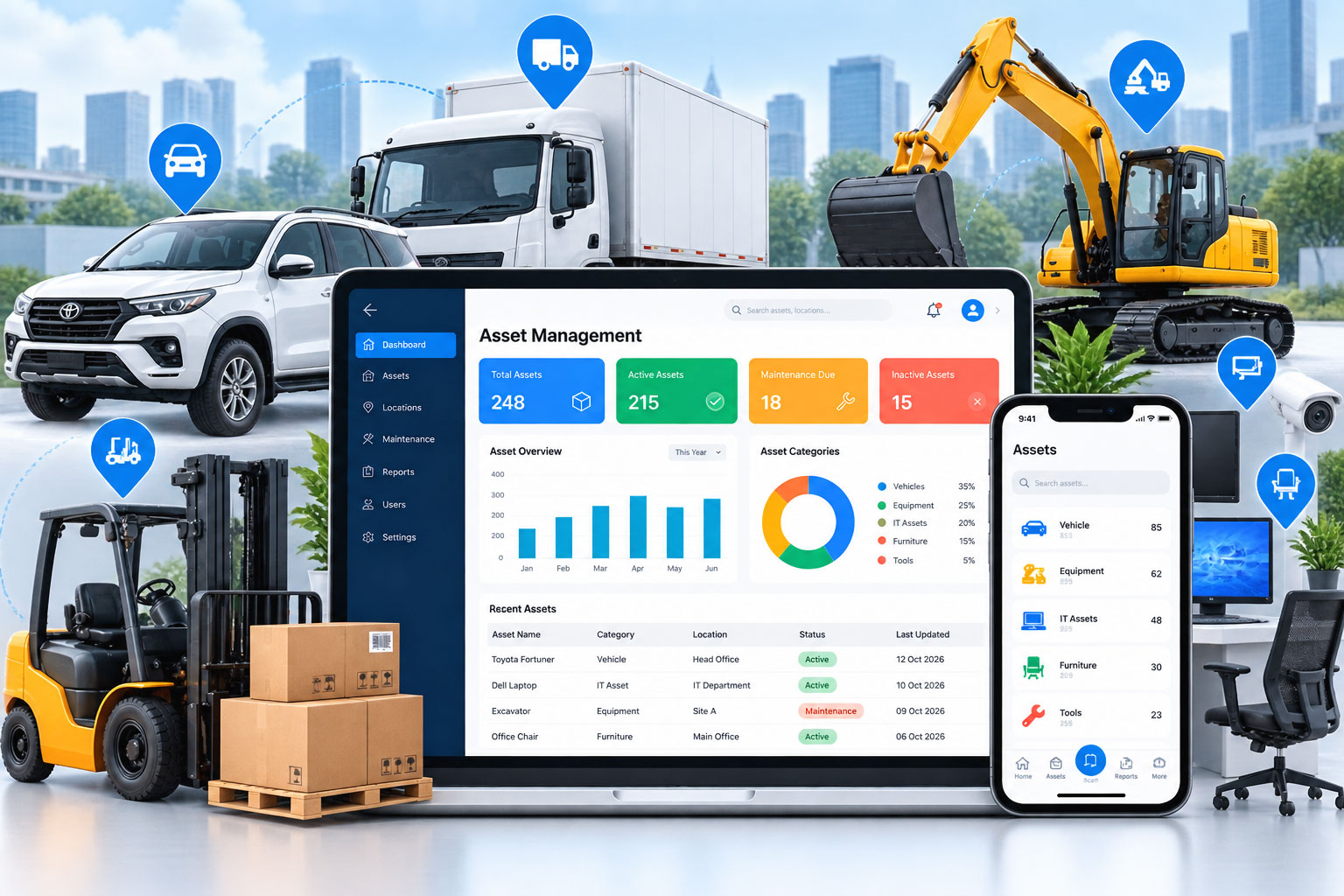
In an era of dispersed teams, hybrid offices, and high-value equipment networks, managing physical and digital resources has shifted from a back-office administrative task into a core driver of organizational agility. Understanding what asset management is—and how to implement modern best practices—is fundamental for any growing enterprise.
What Does Asset Management Really Mean?
At its foundation, asset management refers to the systematic process of developing, operating, maintaining, upgrading, and disposing of assets in the most cost-effective and compliant manner possible. An asset is anything of economic value that an organization owns and utilizes to generate revenue or sustain daily operations.
While financial accountants traditionally view assets strictly through balance sheets and depreciation tables, operational and IT teams view asset management as a living workflow. Operational asset management answers critical daily questions:
- Where is this laptop or piece of machinery located right now?
- Who is currently responsible for this equipment, and what department does it belong to?
- What is the current operational status—is it ASSIGNED, UNASSIGNED, or UNDER_MAINTENANCE?
- When does the manufacturer warranty expire, and what maintenance has been performed?
The 3 Major Categories of Business Assets
Modern organizations deal with diverse resources spanning multiple environments. Asset management systems categorize these into three primary pillars:
| Asset Category | Typical Examples | Primary Management Focus |
|---|---|---|
| Physical & Fixed Assets | Laptops, desktop workstations, monitors, server racks, heavy tools, company vehicles, and office furniture. | Physical location tracking, preventative maintenance logs, user assignment, and physical barcode/QR tagging. |
| Digital & Software Assets | SaaS subscriptions, operating system licenses, specialized engineering software, and digital certificates. | Compliance adherence, approved vs blocked application auditing, license renewal alerts, and seat utilization. |
| Mobile & Field Assets | Field technician tablets, fleet vehicles, GPS-enabled survey equipment, and remote employee laptops. | Live GPS tracking, geofence zone boundary monitoring, movement trails, and remote lock/security policies. |
Why Real-Time Asset Visibility Is Critical
Without centralized visibility, organizations operate in the dark. Misplaced equipment, underutilized licenses, and untracked depreciation silently erode operating margins. Implementing comprehensive visibility yields immediate operational dividends:
- Elimination of Ghost Assets: Industry research consistently shows that up to 15% to 30% of assets recorded in manual spreadsheets no longer exist physically. Eliminating ghost assets stops unnecessary property taxes, maintenance contracts, and insurance premiums.
- Mitigation of Shadow IT: When IT teams lack clear oversight of deployed endpoints and installed software, employees frequently install unapproved software that introduces severe security vulnerabilities.
- Optimized Capital Expenditure: Instead of purchasing new equipment when requests arise, managers can quickly locate unassigned, idle assets already in stock across satellite offices.
- Audit Preparedness: Instant access to ownership histories, purchase dates, serial numbers, and department allocations ensures seamless compliance during internal or external audits.
Common Obstacles in Traditional Asset Management
Despite the obvious benefits of orderly asset governance, many organizations remain stuck in obsolete manual processes. The most frequent friction points include:
- Decentralized Spreadsheets: Disjointed Excel sheets maintained by different branch managers quickly become out of sync, riddled with human data-entry errors and conflicting version histories.
- Remote and Hybrid Workforce Chaos: With employees working from home across different cities, tracking physical laptop handoffs, courier delivery receipts, and recovery during employee offboarding becomes a logistical headache.
- Unmonitored Warranties: When equipment malfunctions, teams often pay expensive third-party repair bills simply because they forgot the device was still covered under the original manufacturer warranty.
- Siloed Departmental Communication: Procurement buys hardware without notifying IT; operations retires equipment without updating accounting; and human resources reallocates workstations without updating the asset register.
Proven Best Practices for Modern Organizations
Transforming your organization's asset workflows requires establishing clear, repeatable operational habits. Leading IT and operations teams adhere to several foundational rules:
“An asset register is only as valuable as its operational accuracy. If updating an asset requires 10 minutes of manual paperwork, your team will eventually bypass the process.”
- Establish a Single Source of Truth: Maintain all equipment records in one centralized database accessible across IT, operations, procurement, and management.
- Standardize Physical Identification: Affix durable, scannable QR codes or industrial barcode tags to every piece of equipment upon arrival at the loading dock before it is assigned.
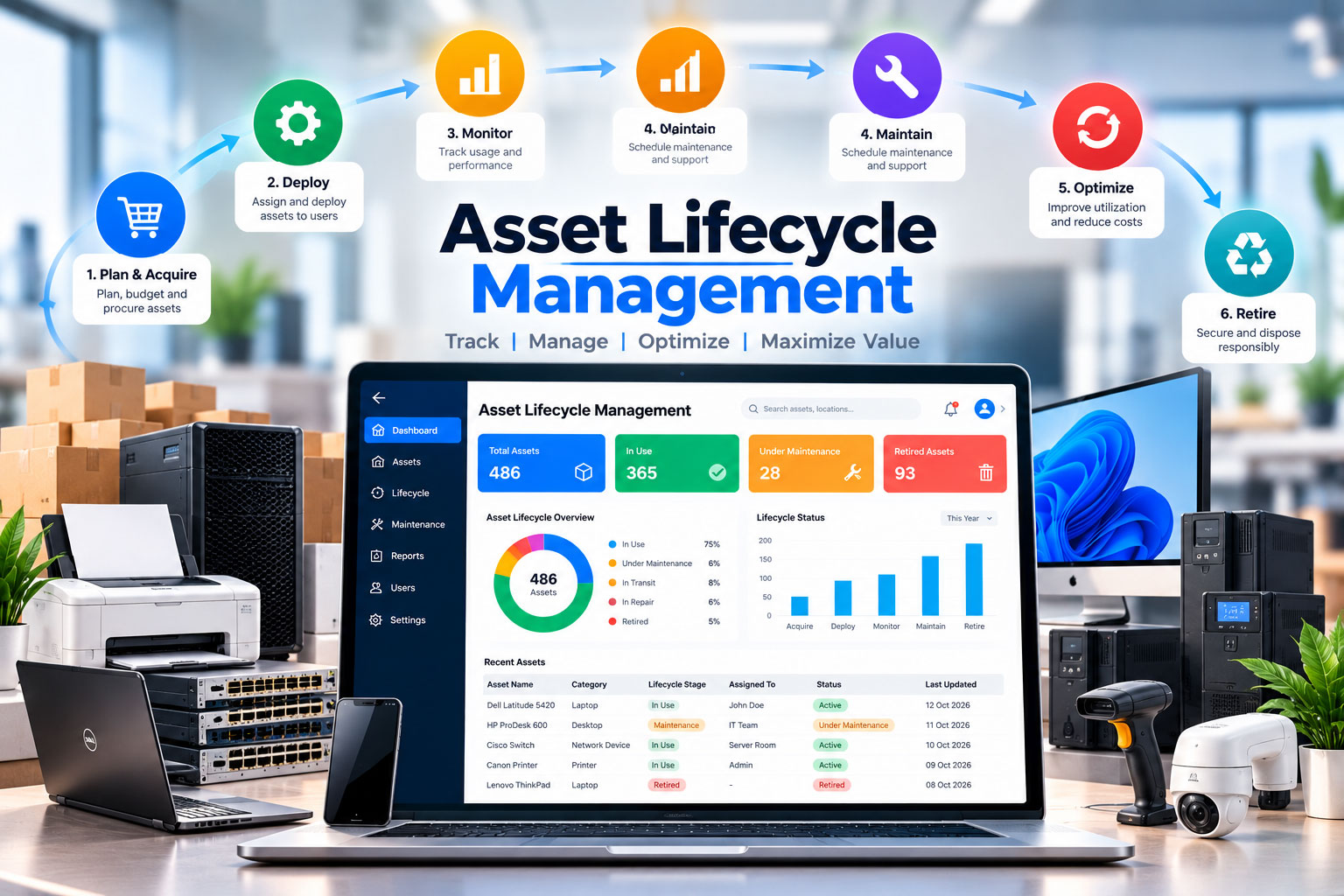
- Adopt Granular Lifecycle Statuses: Require assets to transition through standardized lifecycle states (such as UNASSIGNED, ASSIGNED, UNDER_MAINTENANCE, and RETIRED) with automatic timestamp logging.
- Enforce Clear Custody Chains: Always log the specific team member, department, and physical location associated with an active device.
- Leverage Mobile Verification: Equip technicians and branch supervisors with mobile scanning capabilities so equipment can be audited in seconds right from the field.
How Dedicated Asset Management Software Changes the Game
While manual recordkeeping fails under scale, modern cloud-based asset management software automates tedious administration. A dedicated platform bridges physical hardware, software licensing, and operational workflows into one unified interface:
Instead of searching through filing cabinets or pinging teammates on Slack to find an available monitor or laptop, administrators can filter assets by department, warranty expiration, hardware specifications, or maintenance history in a single click. Furthermore, modern platforms generate exportable PDF and Excel reports for financial auditing, executive dashboards, and depreciation analysis.
Streamlining Asset Workflows with Trackify Assets
Trackify Assets is engineered specifically to eliminate asset management complexity for modern enterprises and fast-growing IT teams. With Trackify Assets, organizations gain powerful native capabilities:
- Unified Asset Register: Track and manage every asset with complete metadata—category, department, location, assigned user, purchase date, invoice details, and warranty terms. Explore our unified asset tracking features.
- Live Lifecycle Status Tracking: Move items between
ASSIGNED,UNASSIGNED, andUNDER_MAINTENANCEstatuses with immutable historical activity logs. - Barcode & QR Scanning: Easily register and verify assets on-site using standard mobile barcode and QR code scanning.
- Role-Based Permissions: Grant customized access levels for administrators, department heads, and technicians to safeguard sensitive corporate data.
- Comprehensive Industry Support: From IT and healthcare to construction and education, review how Trackify adapts to diverse sectors on our industries overview page.
Ready to take control of your organization's assets?
Stop losing track of equipment, software licenses, and maintenance schedules. Explore our transparent pricing plans or book a personalized product demonstration today.